


Fire Risk Reduction Measures: Reducing Fire Risks in Your Home

Fire safety is not just a checklist item; it’s a vital part of protecting your home and everyone inside it. Fires can start in the blink of an eye, but with the right precautions, you can significantly reduce the risk. Let’s dive into practical, effective fire risk reduction measures that make your home safer and your mind more at ease.
Understanding Fire Risk Reduction Measures
First things first: what exactly are fire risk reduction measures? These are the steps and strategies you put in place to prevent fires from starting and to minimize damage if they do. It’s about being proactive, not reactive.
Think about your kitchen, the heart of your home and a common source of fires. Simple actions like never leaving cooking unattended or keeping flammable items away from the stove can make a huge difference. But it doesn’t stop there. Fire risk reduction measures include everything from electrical safety to proper storage of hazardous materials.
Here’s a quick list of key areas to focus on:
Electrical systems: Avoid overloading outlets and replace damaged cords.
Heating equipment: Keep space heaters away from curtains and furniture.
Cooking safety: Use stovetop fire suppressors and never leave cooking unattended.
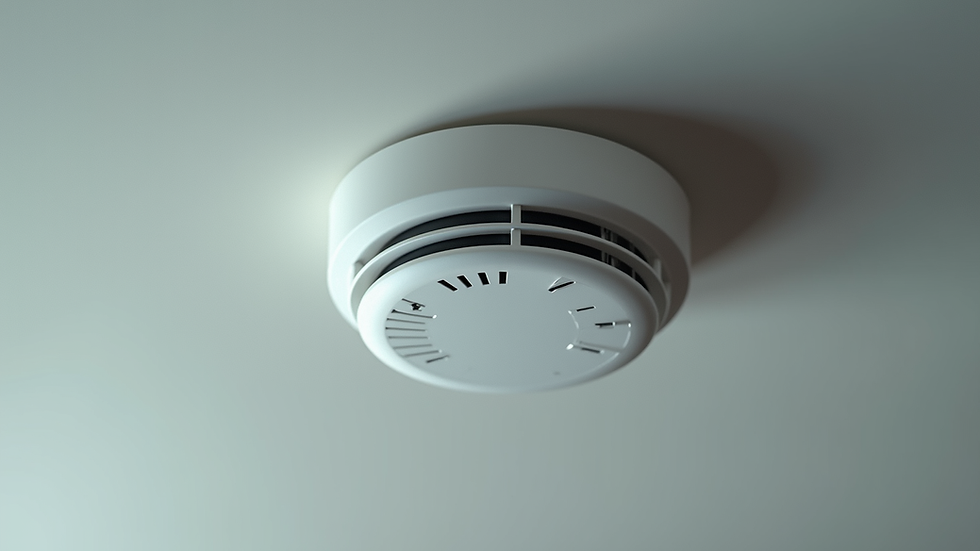
Smoke alarms: Install and maintain smoke detectors on every floor.
Escape plans: Have a clear, practiced evacuation plan.
By addressing these areas, you’re not just reducing risk—you’re creating a safer environment for everyone.
Practical Fire Risk Reduction Measures for Every Home
Let’s get specific. What can you do today to reduce fire risks in your home? Here are some actionable steps:
1. Install and Maintain Smoke Alarms
Smoke alarms save lives. They alert you early, giving you precious time to act. Install alarms inside every bedroom, outside each sleeping area, and on every level of your home. Test them monthly and replace batteries at least once a year.
2. Use Stovetop Fire Suppressors
Cooking fires are a leading cause of home fires. Stovetop fire suppressors are a smart investment. These devices automatically extinguish flames on your stove, stopping fires before they spread. They’re easy to install and require minimal maintenance.
3. Keep Flammable Items Away from Heat Sources
It’s tempting to keep paper towels or dishcloths near the stove, but this is a fire hazard. Store flammable items at a safe distance from heat sources like stoves, heaters, and candles.
4. Regular Electrical Inspections
Faulty wiring is a hidden danger. Have a licensed electrician inspect your home’s wiring every few years. Replace frayed cords and avoid using extension cords as permanent wiring.
5. Create and Practice an Escape Plan
In case of fire, every second counts. Map out two ways out of every room and practice your escape plan with everyone in your household. Make sure everyone knows where to meet outside.
Kitchen Safety: The Frontline of Fire Prevention
The kitchen is where most home fires start. It’s also where you can make the biggest impact with fire risk reduction measures.
Never Leave Cooking Unattended
It sounds simple, but distractions happen. If you need to leave the kitchen, turn off the stove. If you’re simmering, baking, or roasting, check on your food regularly.
Keep a Fire Extinguisher Handy
A Class K fire extinguisher is designed for kitchen fires involving grease and oils. Keep it within easy reach and know how to use it. Remember, never use water on a grease fire—it only makes things worse.
Clean Cooking Surfaces Regularly
Grease buildup can ignite quickly. Clean your stove, oven, and exhaust hood regularly to prevent grease fires.
Use Stovetop Fire Suppressors
These devices are a game-changer. They detect flames and release a fire-suppressing agent automatically. This can stop a fire before it grows, protecting your home and tenants.

Electrical Safety: Preventing Hidden Dangers
Electrical fires often start unnoticed. Here’s how to keep your home’s electrical system safe:
Avoid Overloading Outlets: Plugging too many devices into one outlet can cause overheating.
Use Surge Protectors: Protect your electronics and reduce fire risk.
Replace Damaged Cords: Frayed or cracked cords are a fire hazard.
Unplug Unused Appliances: This reduces risk and saves energy.
Install Ground Fault Circuit Interrupters (GFCIs): Especially in kitchens and bathrooms, these devices prevent electrical shocks and fires.
Regular inspections by a professional electrician can catch problems before they become dangerous.
Fire Risk Reduction Measures Beyond the Home
Fire safety doesn’t stop at your front door. If you manage multiple units or properties, consider these broader measures:
Install Fire Doors: These slow the spread of fire and smoke.
Maintain Clear Exits: Ensure hallways and stairwells are free of obstructions.
Educate Tenants: Provide fire safety information and encourage safe habits.
Regular Fire Drills: Practice evacuation procedures regularly.
Use Fire-Resistant Materials: When renovating, choose materials that resist ignition.
These steps protect not just one home but entire communities.
Why Fire Risk Reduction Measures Matter
You might wonder, why invest so much effort into fire prevention? The answer is simple: safety and peace of mind. Fires cause devastating damage, injuries, and even loss of life. But beyond that, they can lead to costly repairs, increased insurance premiums, and loss of tenants.
By implementing fire risk reduction measures, you’re protecting your investment and the people who live in your properties. It’s a smart, responsible approach that pays off in the long run.
Taking the Next Step in Fire Safety
Fire safety is a journey, not a one-time task. Start with the basics—smoke alarms, fire extinguishers, and safe cooking practices. Then, consider advanced solutions like stovetop fire suppressors. These devices are especially valuable for property owners and managers who want to protect their assets and tenants while reducing insurance costs and maintaining high occupancy rates.
Remember, every measure you take adds a layer of protection. Don’t wait for a fire to remind you of the importance of safety. Act now, and create a safer home for everyone.
By embracing these fire risk reduction measures, you’re not just preventing fires—you’re building a safer, more secure future. Stay vigilant, stay prepared, and keep your home protected.


Comments