


Cooking Fire Risk Prevention: Essential Tips for Your Home

Cooking is a daily ritual for many, but it also happens to be the leading cause of home fires. The kitchen is where warmth and creativity meet, but it can quickly turn dangerous without the right precautions. I’ve learned that understanding cooking fire risk prevention is not just smart—it’s essential for protecting your home and everyone inside it.
Let’s dive into practical, easy-to-follow tips that will help you keep your kitchen safe and your mind at ease.
Why Cooking Fire Risk Prevention Matters
You might think, "I’m careful when I cook," and that’s great. But accidents happen in a blink. According to fire safety experts, unattended cooking is the top cause of kitchen fires. A small grease flare-up or a forgotten pot on the stove can escalate fast.
Here’s the reality: prevention is your best defense. Taking simple steps can drastically reduce the risk of a fire starting in your kitchen. This isn’t about fear—it’s about being prepared and proactive.
Key Risks to Watch For
Leaving cooking unattended, especially when frying or grilling
Overheating oil or grease, which can ignite quickly
Clutter near the stove, like towels or paper products
Faulty or old kitchen appliances
Lack of working smoke detectors in or near the kitchen
By understanding these risks, you can start to build habits that keep your kitchen safe.
Practical Cooking Fire Risk Prevention Tips
Let’s get into the nitty-gritty. Here are some straightforward, actionable tips you can implement today:
1. Stay Present and Alert
Never leave cooking food unattended. If you need to step away, turn off the stove or oven. It’s tempting to multitask, but your full attention is the best way to prevent fires.
2. Keep Flammable Items Away
Keep anything that can catch fire - like oven mitts, wooden utensils, paper towels, and curtains - at least three feet away from the stove.
3. Use Timers
Set a timer on your phone or kitchen device to remind you when food needs checking. This simple step helps prevent forgotten pots and pans.
4. Manage Grease Carefully
Grease fires are common and dangerous. Regularly clean your stovetop and exhaust hood to prevent grease buildup. If a grease fire starts, never use water to put it out. Instead, cover the pan with a metal lid or use a fire extinguisher rated for grease fires.
5. Install and Maintain Smoke Detectors
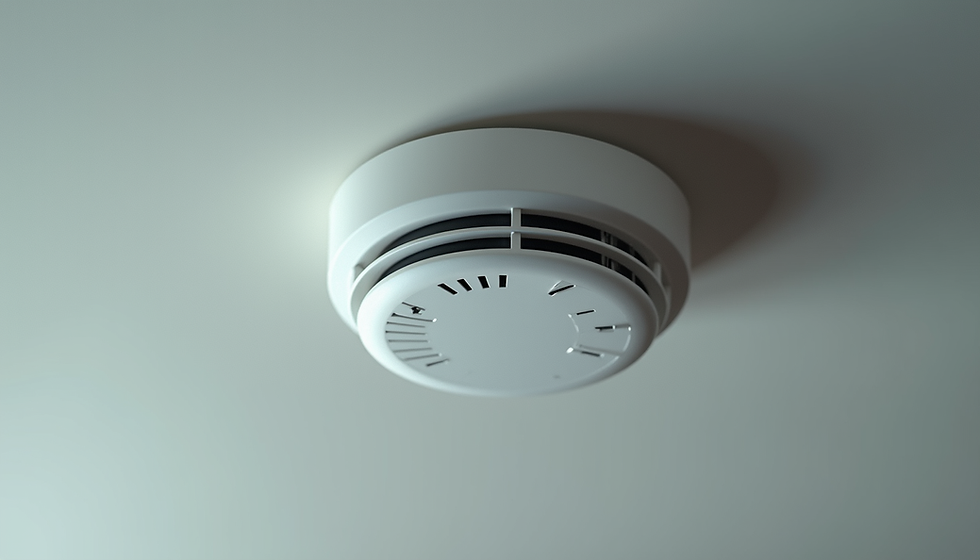
Smoke detectors save lives. Make sure you have working smoke alarms in or near your kitchen and test them monthly. Replace batteries at least once a year.
6. Have a Fire Extinguisher Handy
Keep a Class K fire extinguisher in your kitchen. Know how to use it before an emergency happens. If you’re unsure, many local fire departments offer training sessions.
7. Educate Everyone in the Home
Make sure everyone who uses the kitchen knows these safety rules. Kids, roommates, or tenants should all be aware of how to prevent fires and what to do if one starts.

How Technology Can Help with Cooking Fire Risk Prevention
Technology has stepped up to make kitchens safer. From smart smoke detectors to stovetop fire suppressors, there are tools designed to reduce fire risks automatically.
One innovation gaining traction is the stovetop fire suppressor. These devices detect flames or excessive heat and activate to extinguish fires before they spread. For property managers and apartment owners, investing in such technology can be a game-changer. It not only protects tenants but also helps reduce insurance premiums and maintain high occupancy rates by ensuring safer living environments.
If you want to learn more about how to enhance your kitchen’s safety, check out this resource on cooking fire safety.
What to Do If a Cooking Fire Starts
Knowing how to react can save lives and property. Here’s a quick guide:
Stay calm. Panic makes things worse.
Turn off the heat source if it’s safe to do so.
Cover the flames with a metal lid or baking sheet to smother the fire.
Use a fire extinguisher if the fire is small and manageable.
Never use water on grease or electrical fires.
Evacuate immediately if the fire grows or you feel unsafe.
Call 911 as soon as you are safe outside.
Having a plan and practicing it with everyone in your home can make a huge difference.

Building a Culture of Safety in Your Property
For property managers and apartment owners, fostering a culture of safety is crucial. Regularly remind tenants about kitchen fire risks and encourage them to follow safety practices. Consider hosting safety workshops or distributing easy-to-understand guides.
Investing in fire prevention technology like stovetop fire suppressors not only protects your property but also shows tenants you care about their well-being. This builds trust and can lead to longer tenancy and fewer insurance headaches.
Taking these steps seriously will help you create a safer kitchen environment. Remember, cooking fire risk prevention is about being mindful, prepared, and equipped. It’s a small effort that pays off in peace of mind and protection for your home and loved ones.


Comments